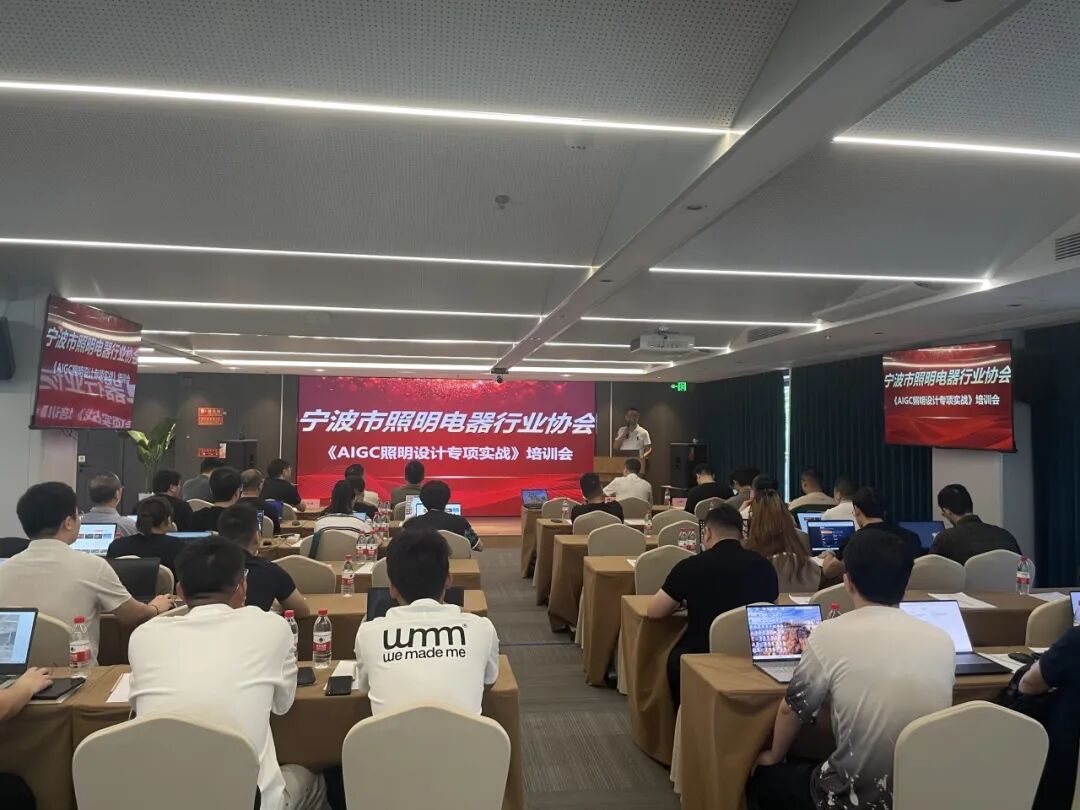
To address long-standing industry pain points—including slow traditional design rendering, high revision costs, and insufficient fidelity of visualizations—and to drive the digital and intelligent transformation of Ningbo’s lighting industry, on July 25, the Ningbo Lighting Electrical Appliance Industry Association, in collaboration with Zhejiang Urban Construction Planning & Design Institute Co., Ltd., successfully held a specialized AIGC lighting design practical training session at the second-floor multifunction hall of Huagang Hotel, Jiangbei Bund, Ningbo. This one-day intensive workshop attracted 31 lighting designers and practitioners from member enterprises. Industry leaders, design institute experts, and experienced AI lighting instructors gathered onsite to jointly explore practical pathways for integrating AI technology into lighting design.
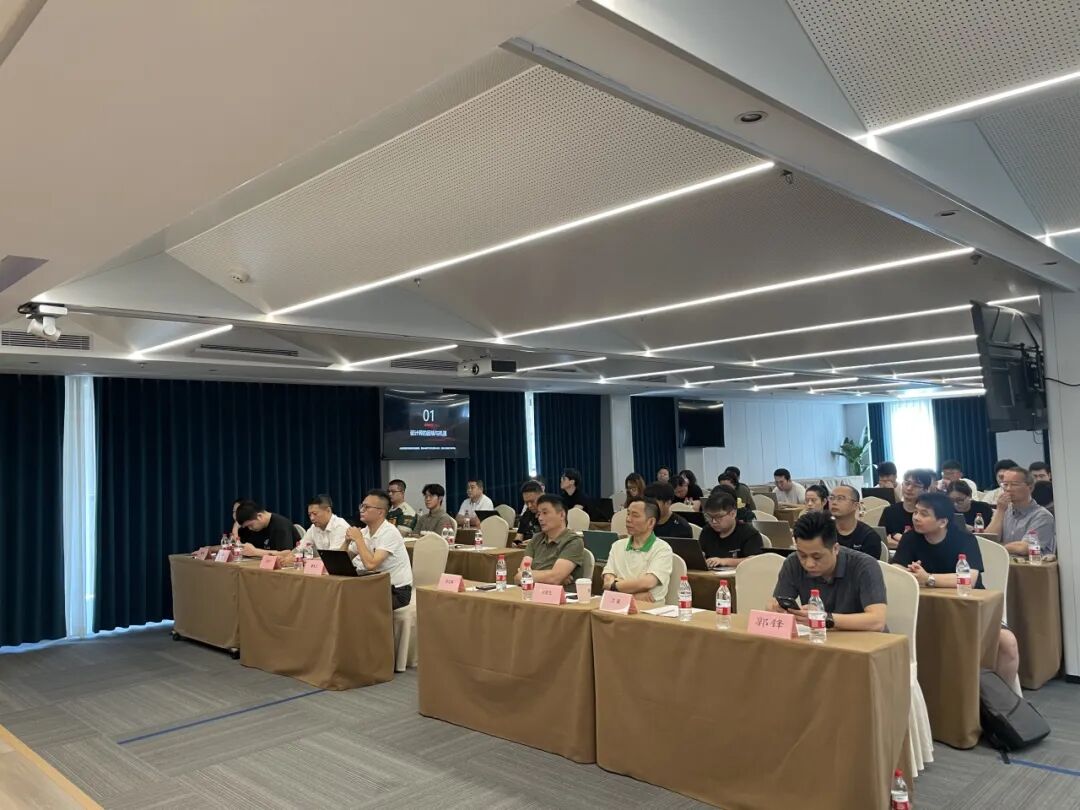
Attendees at the opening ceremony included He Qiansheng, Chairperson of the Lighting Design & Engineering Committee of the Ningbo Lighting Electrical Appliance Industry Association; Vice-Chairs Zhang Zhonghui and Tang Junjiang; Secretary-General Wang Junkai of the Association; Committee Secretary-General Wang Wei; Shen Wei, President of Zhejiang Urban Construction Planning & Design Institute; Sun Pengfei, Senior Lighting Designer and AI Lighting Instructor; Luo Jidi, Senior Lighting Designer and AI Practical Training Mentor; and guest Guo Feng, Secretary-General of the Lighting Engineering Committee of Zhejiang Provincial Lighting Electrical Appliance Association.
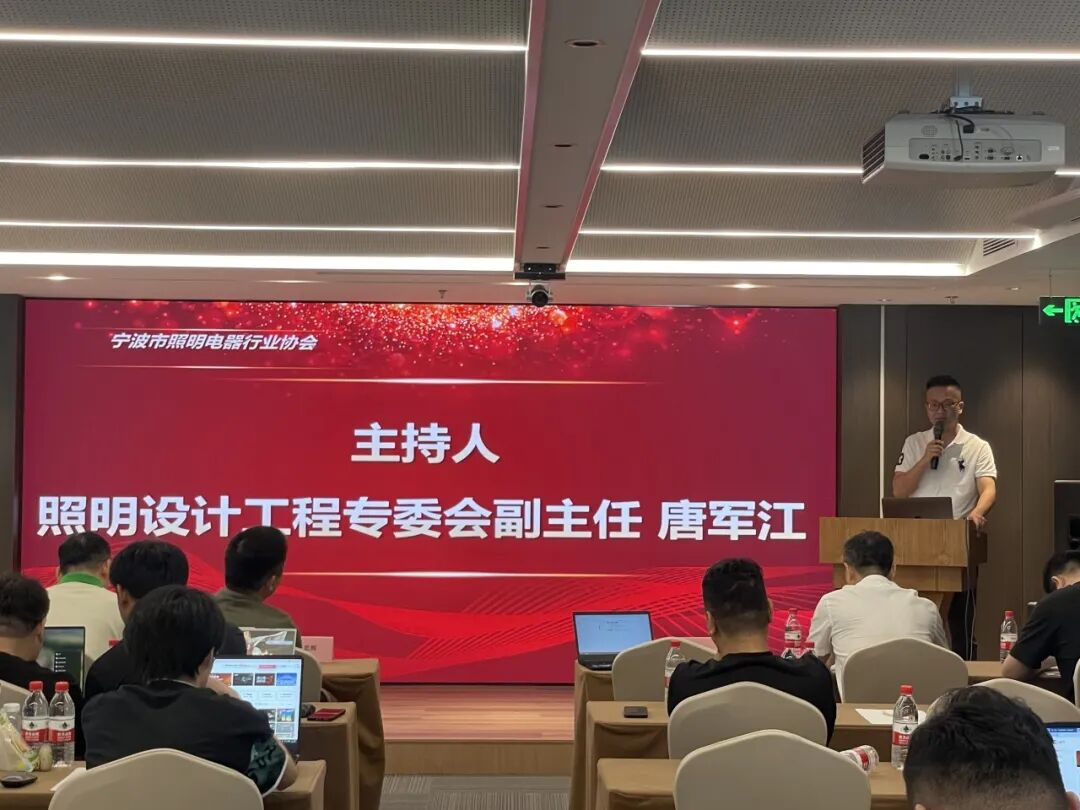
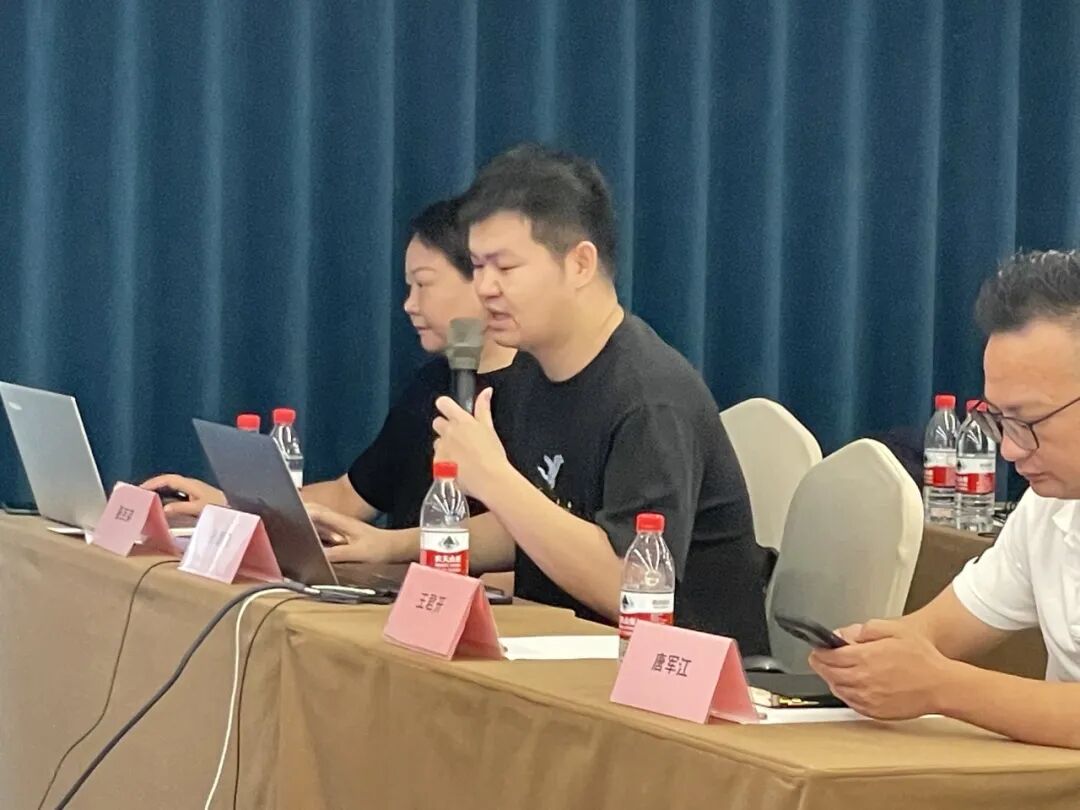
The training session was hosted by Tang Junjiang, Vice-Chair of the Committee, who guided the entire opening process, introduced attending leaders and guests, highlighted the core value of the training, and officially launched the day-long practical session.
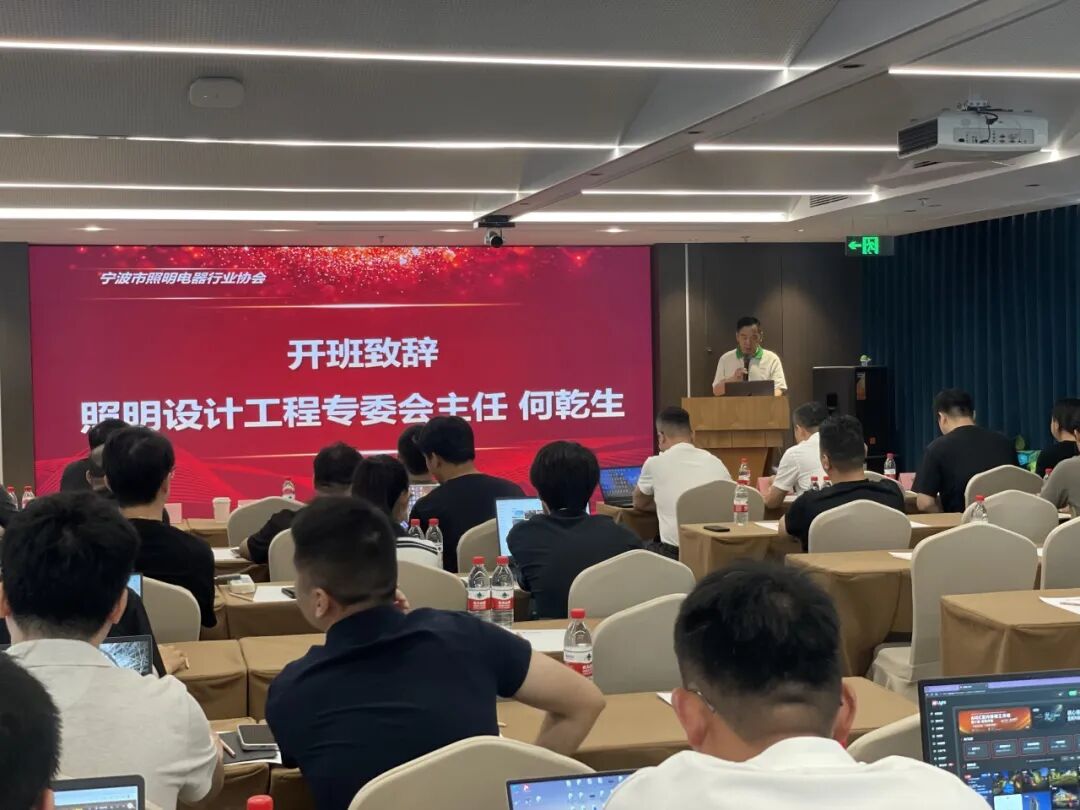
The formal opening segment began with an opening speech by He Qiansheng, Chairperson of the Lighting Design & Engineering Committee. Mr. He emphasized that while tools continue to evolve, our original commitment to lighting quality, pursuit of light-and-shadow aesthetics, and dedication to urban illumination remain unchanged. Embracing new AI technologies enables us to better express design creativity and empower high-quality projects. He encouraged participants to seize this training opportunity to break through design bottlenecks, enhance professional capabilities, and accelerate their companies’ digital transformation. He also noted that the Association will continue building platforms for digital training and technical exchange to support the high-quality development of Ningbo’s lighting industry.
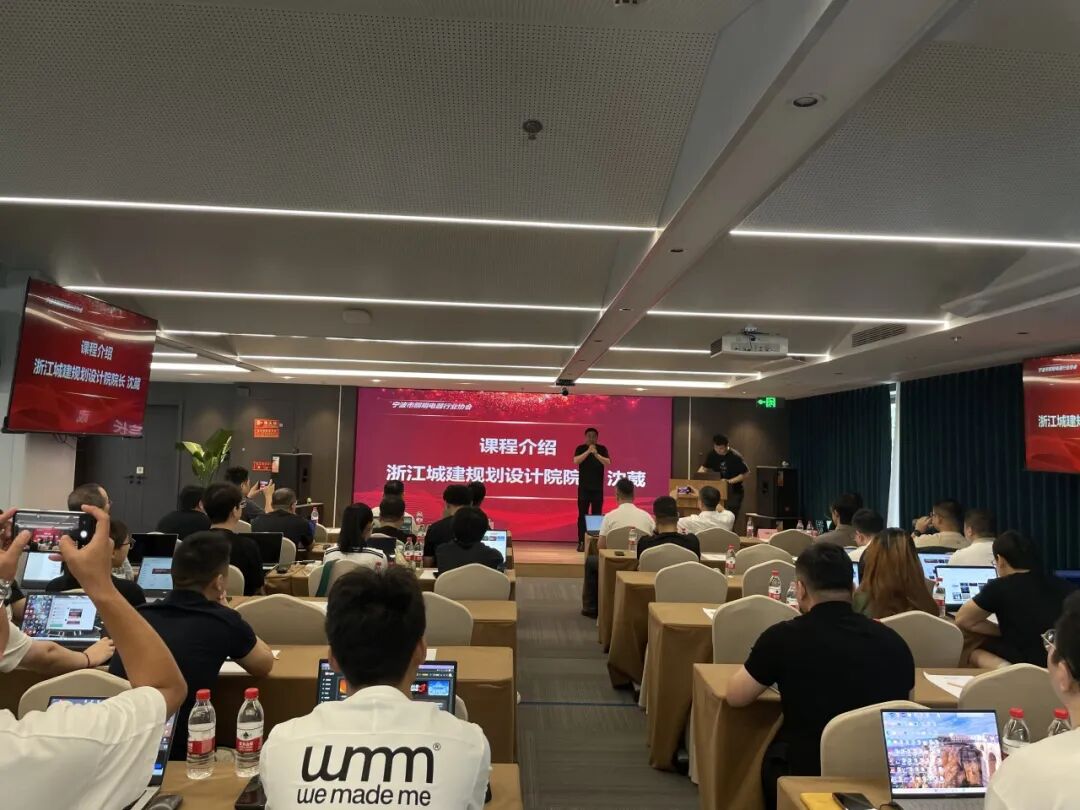
Subsequently, Shen Wei, President of Zhejiang Urban Construction Planning & Design Institute, took the stage to present the course structure in detail. Drawing from various real-world lighting projects executed by the institute, Mr. Shen illustrated AIGC’s advantages in applications such as cultural tourism heritage sites, urban landmarks, and landscape nightscapes. He clarified that AI serves as a highly efficient auxiliary tool to amplify designers’ creativity and streamline drafting workflows, and expressed his hope that participants would master hands-on techniques and translate their learning into project productivity..
Full-Day Hands-On Instruction Tackles Real-World Lighting Design Challenges
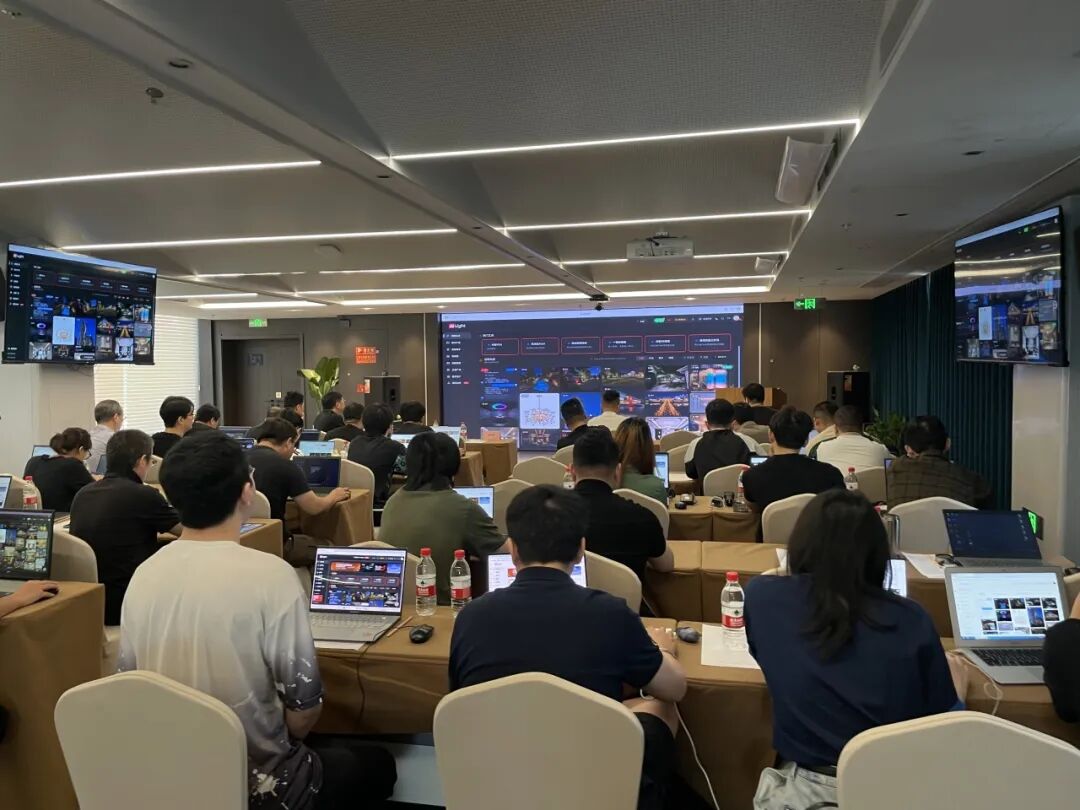
Following the opening ceremony, senior lighting designers Sun Pengfei and Luo Jidi—each with 10 to 20 years of industry experience—jointly delivered a full-day practical instruction. The curriculum was built upon the A-Zhan Guangzhi 3.0 model and featured real lighting project cases, delivered through step-by-step, hands-on computer-based training.
The course comprehensively covered foundational tool operations and multi-scenario practical applications: it began with an explanation of the underlying logic of the Guangzhi 3.0 model and platform functionalities, with special emphasis on prompt engineering methods tailored for the lighting industry. Participants learned to fine-tune parameters to effectively address common AI-generated image issues such as inaccurate lighting effects and mismatched scene aesthetics. Additionally, the training included in-depth practical exercises focused on two key scenarios—cultural heritage/tourism sites and urban landscape landmarks—reviewing professional design standards including illuminance, color temperature, and ecological lighting principles, deconstructing dynamic light-and-shadow AI generation logic, and demonstrating end-to-end rapid lighting solution generation workflows.
Training Concludes Successfully; Digital Transformation Marches On
The intensive one-day specialized practical training concluded successfully. Participants unanimously noted that the course precisely addressed real-world needs in lighting engineering, offering targeted solutions distinct from generic AI design courses. They highlighted that tasks previously requiring repeated revisions of visualizations could now be significantly streamlined using AI tools, and expressed plans to rapidly apply these techniques to actual projects in cultural tourism lighting, municipal landmarks, and real estate landscapes.
Moving forward, the Lighting Design & Engineering Committee of the Ningbo Lighting Electrical Appliance Industry Association will continue advancing the intelligent transformation and upgrading of Ningbo’s lighting industry, leveraging new AI technologies to drive industrial innovation and enhance the distinctive reputation of Ningbo’s lighting sector.
Edited by: Wang Wei
Reviewed by: Wang Junkai